When it comes to pregnancy, the focus is mostly on the female partner. No doubt, she is the one who’ll be carrying the little life inside her for nine months.
However, to give it a good start, a woman’s egg must be fertilized by a healthy sperm cell. That’s where a man’s reproductive health comes into the picture. First things first, infertility doesn’t only affect women.
According to the American Urological Association, 50% of infertility cases involve male issues. Certain medical conditions and genetics can largely contribute to male-factor infertility, but experts believe your lifestyle is also a major contributing factor.
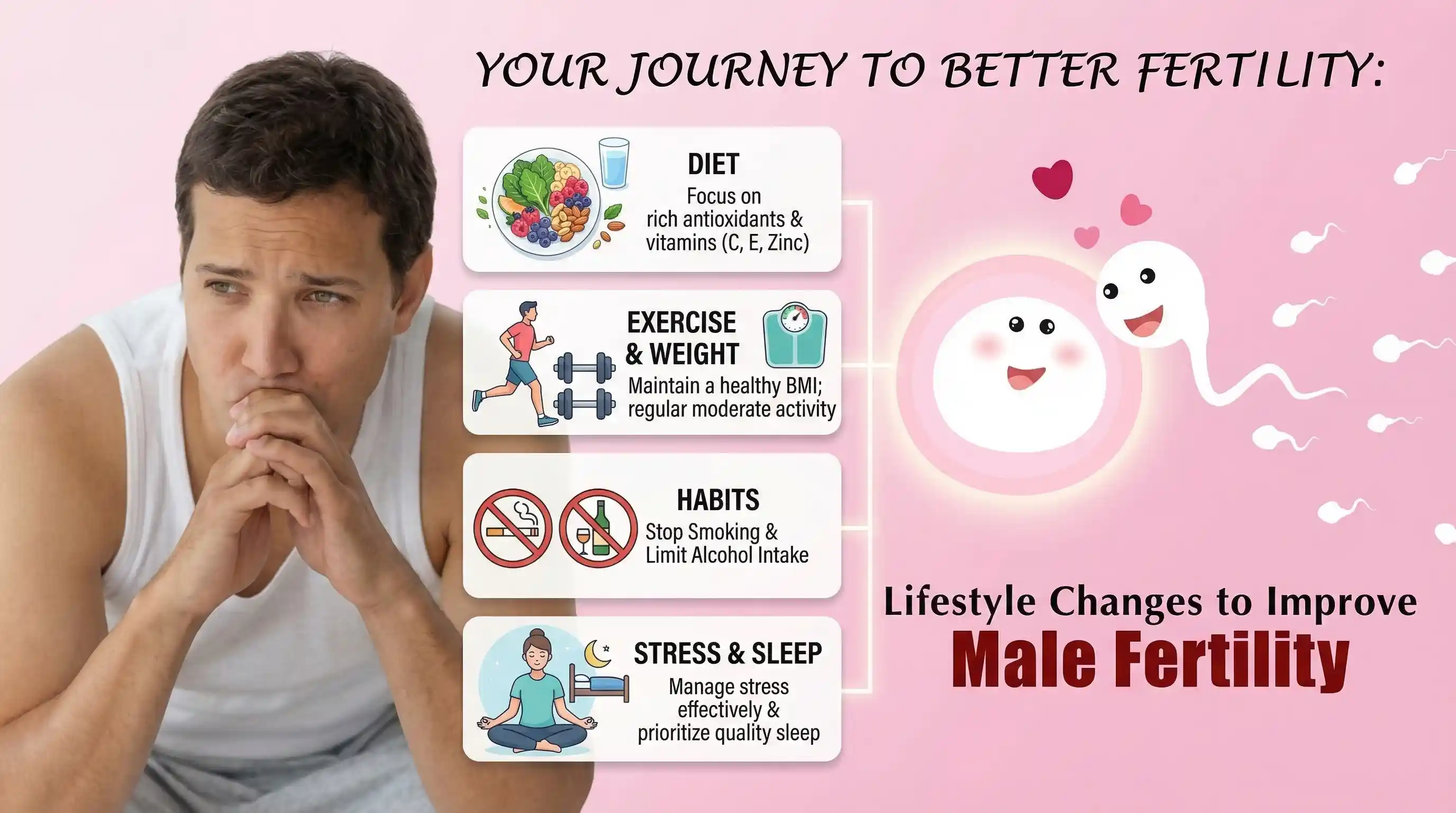
Simple lifestyle modifications, such as getting adequate sleep, eating a nutrient-dense diet, exercising regularly, and keeping your weight under control, are quite effective in improving your reproductive health. In this post, we’ve listed the most helpful lifestyle changes to improve male fertility. Here’s a look.
Diet & Nutrition
Your dietary choices can affect your fertility outcomes. Your diet is linked to sperm production, DNA integrity, sperm motility, count, and your overall reproductive health. So, what’s an ideal diet for men to increase sperm quality naturally?
Antioxidant-rich Foods
Sperm cells are highly vulnerable to free radicals, which can damage healthy cells in your body when present in large amounts. These molecules can damage sperm’s DNA. Antioxidants neutralize these free radicals before they can harm the healthy cells.
So, a simple tip that can help improve sperm quality and thus male fertility is eating more antioxidant-rich foods. Try to include more citrus fruits, carrots, kale, tomatoes, nuts, seeds, and other vegetables and fruits in your diet.
Zinc, Selenium, and Omega-3 Fatty Acids
Zinc plays a role in testosterone production, which is a key hormone for sperm production. It also helps maintain the structure and motility of the sperm cell. Selenium neutralizes free radicals and protects sperm from damage due to oxidative stress. It also supports sperm motility.
Low levels of selenium can make sperm sluggish, affecting their movement and making fertility challenging. Another key component in a male-fertility-friendly diet is omega-3 fatty acids. It maintains the structure and flexibility of the sperm, helping it move fast and efficiently towards the egg.
Ensure Proper Hydration
Semen, the fluid that carries sperm, is made up of water, essential proteins, enzymes, and nutrients. Proper hydration helps ensure adequate semen production, while dehydration can make semen thicker and reduce its volume.
This makes it harder for sperm cells to travel efficiently. Additionally, for sperm to swim well and fast through the cervix, it needs a fluid environment. So, hydration is important for sperm to travel.
Exercise & Weight Management
Maintaining a healthy body weight is another major factor affecting hormonal balance. Excess weight or obesity reduces testosterone, which in turn leads to a decline in sperm production. Besides, obesity is linked to increased inflammation and oxidative stress, which can damage sperm cells.
Keeping your body active and your weight under control can help significantly. Moderate physical activity supports blood circulation throughout the body, helps shed excess fat, and promotes an ideal hormonal balance for sperm production.
That said, high-intensity workouts are not what your reproductive organs need here. Excessive exercise can increase cortisol, a stress hormone, which can negatively affect testosterone. Ensure a proper balance. Focus more on walking, yoga, cycling, and swimming.
Smoking, Alcohol & Drug Effects
Cigarettes, alcohol, and recreational drugs are the biggest enemies of fertility. Excessive use can damage sperm DNA the genetic material without which the sperm can’t fertilize an egg.
Even if fertilization occurs, damaged DNA can affect embryo development and might increase the risk of miscarriage. Additionally, the chemicals found in drugs can lower testosterone production, thus lowering sperm count and quality.
Stress Management & Mental Health
Another efficient way to improve sperm quality naturally is by managing stress. The cortisol levels in your body rise when you are under too much stress. Excessive cortisol disrupts testosterone production.
Meditation, yoga, journaling, physical activity, and support from your loved ones are key steps in managing stress. If nothing helps, consider counseling. Talk to a therapist or seek medical support to bring your stress levels under control.
Sleep Quality
Sleep helps you in two ways. One, it directly affects sperm production. Testosterone levels rise during sleep, especially in the morning hours. Two, adequate sleep manages stress and reduces cortisol, which can negatively affect testosterone production.
Getting a good night’s sleep or keeping your body well-rested are crucial for healthy sperm production. Follow a healthy sleep schedule. Sleep at the same time every day, avoid screen time before bedtime, and avoid caffeine late in the evening. Keep your room cool, dark, and comfortable for better sleep.
Environmental Factors & Heat Exposure
Many environmental factors, especially heat exposure, can also be the culprits for male-factor infertility. Exposing your intimate parts to excessive heat can negatively affect sperm production. Some activities, such as placing laptops on your lap or staying too long in the hot tubs, may not seem dangerous, but are not safe for your reproductive health.
Sperm production requires a temperature slightly cooler than your body’s temperature. Not just heat, but you should also steer clear of chemical exposure, as those are also harmful to your hormonal and overall health. This is especially important for men working in industries that use heavy industry chemicals, pesticides, heavy metals, and pollutants.
When Lifestyle Changes Are Not Enough
When lifestyle changes alone do not deliver results, seeking medical care becomes essential. And the sooner you do it, the higher the chances you can conceive fast. Men must consult a fertility specialist when conception doesn’t occur after 12 months of trying unprotected intercourse.
You may also need to work with a fertility specialist if you have had an abnormal semen analysis result or a history of reproductive issues. If you have not had fertility tests yet, consider getting them at Australian Concept Infertility Medical Center. The clinic has 15+ branches across Pakistan and is accessible to most key locations in Lahore, Islamabad, and Karachi. You can get consultations, tests, and treatment, all in one place.
Sperm analysis, hormone tests, and ultrasounds are a few common procedures routinely conducted for male factor infertility.
FAQs
How long does lifestyle change take to improve sperm quality?
There’s no universal timeline. It depends on the cause of your infertility. Certain lifestyle modifications can show improvement within weeks. Some might work in months.
Is there any male-fertility-friendly diet?
Yes, many essential nutrients play a part in the production and quality of sperm cells. Antioxidants, omega-3, zinc, selenium, and protein sources are all crucial for sperm development, structure, motility, and overall quality.
Does stress cause male infertility?
Yes, chronic stress can be a contributing factor. It raises cortisol, which disrupts hormonal balance. Low testosterone results in low sperm production.
When should men see a fertility specialist?
When you have been trying to get pregnant for over a year without any results, it’s best to seek medical treatment. Delaying treatment can make conception harder, as age (especially female age) is directly linked to fertility.






2 Comments
Muhammed Ahmed
Assalam o Allikum
MA SHA ALLAH we have 4 kids, 3 Daughter and 1 Son.
Physically both are fit.
we wish a baby boy for completing our family.
I am not a rich man. I am simple account assistant in a real estate farm and dose not afforded so much fees recently i have receive a comety PKRs 80,000/-
If these rupees the process are possible then Please contact me
We both are at the age of 40
Regards
Muhammed Ahmed
ACIMC Webmaster
Dear,
We have experienced Consultants at ACIMC. Please come for a first free consultation with coordinator doctors.
For an appointment please call on our UAN: 0304-111-2229, WhatsApp: 0309-333-2229